



Ruto in Taita Taveta: President Unveils Major Projects, Promises Road Upgrade and Issues Thousands of Title Deeds
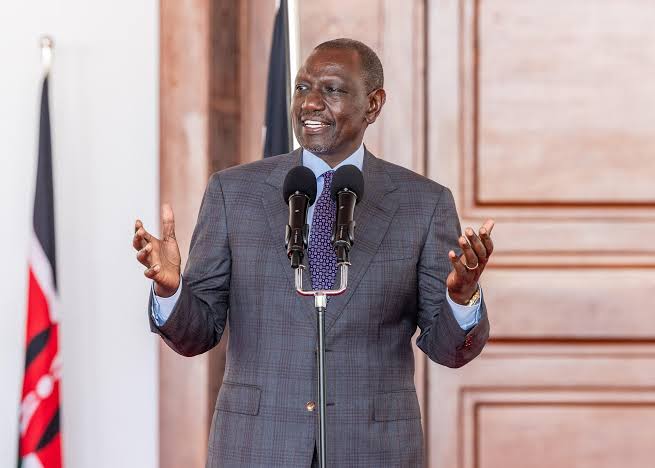
President William Ruto's September 26, 2026 visit to Taita Taveta County focused on development, with particular attention to technical education, land ownership and infrastructure. The President laid the foundation stone for Wumingu Technical and Vocational College, participated in the Coast-wide title-deed programme in which 31,318 documents were earmarked for Mwatate and Voi, and responded directly to concerns over a poor road in Wundanyi. His road commitment was among the most notable announcements of the day, with Ruto saying funds would be secured, a contractor identified and work started within one month. The visit also comes against the background of larger investments in the county, including the Voi-Mwatate-Taveta railway rehabilitation, the planned Voi Stadium and the wider infrastructure and trade agenda. Taita Taveta is the first stop in a six-county Coast tour that will also take the President to Kwale, Kilifi, Mombasa, Tana River and Lamu. The wider programme combines title-deed distribution with project inspections and new developments, culminating in the planned groundbreaking of the East Africa Refinery in Lamu.
President William Ruto visited Taita Taveta County on Saturday, September 26, 2026, marking the beginning of his latest development tour of Kenya’s Coast region. The visit focused on education, land ownership, roads and broader government development programmes, with the President engaging residents and local leaders while inspecting projects and announcing new commitments.
The Taita Taveta visit is the first stop in a wider tour covering Taita Taveta, Kwale, Kilifi, Mombasa, Tana River and Lamu counties. According to the programme announced ahead of the tour, Ruto is expected to issue nearly 190,000 title deeds across the six counties, inspect ongoing projects, commission completed developments and launch new initiatives.
Foundation stone for Wumingu Technical and Vocational College
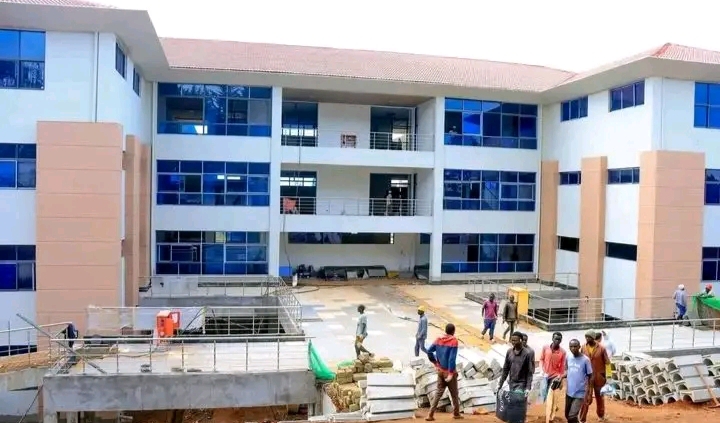
One of the major activities during Ruto’s visit was the laying of the foundation stone for Wumingu Technical and Vocational College in Wundanyi.
The President visited Wundanyi where he officially marked the next stage of development of the institution. The college is a public TVET institution established through the State Department for TVET and is located about 10 kilometres north of Wundanyi town. It already offers technical training programmes, including mechatronics and ICT.
The emphasis on the institution fits into the national government's wider push to expand technical and vocational education and training. TVET institutions are increasingly being positioned as important centres for equipping young Kenyans with practical skills that can be used in employment, entrepreneurship and industrial development.
The Wumingu project is therefore significant for Taita Taveta because it provides an opportunity for young people in the county and surrounding areas to access technical training closer to home.
Ruto's presence at the foundation-stone ceremony also demonstrated the government's intention to link development in education with employment and skills development.
President Ruto reacts to poor road conditions
Another major issue that emerged during the President's visit was the condition of roads in Wundanyi.
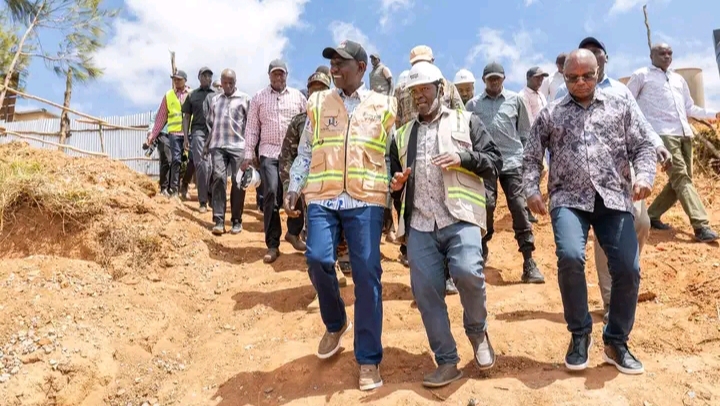
While travelling in the area, Ruto expressed surprise at the poor state of one of the roads. Citizen Digital reported that the President said he had previously been assured that the road was in good condition, but what he saw on the ground was different. He reportedly exclaimed “Salala!” and described the situation as “balaa kubwa.”
The President subsequently made a commitment that the Government would address the problem.
According to the report, Ruto said that within one month, funds would be secured, a contractor identified and road works commenced.
The road commitment is important because transport infrastructure remains a major development concern for rural communities. Poor roads can increase transportation costs, make it difficult for farmers to move produce to markets and affect access to schools, hospitals and other public services.
Ruto's reaction also highlighted the importance of government officials providing accurate information about the condition of infrastructure. His comments suggested that the Government intends to rely more on direct assessment of projects rather than depending entirely on reports presented by officials.
31,318 title deeds for Mwatate and Voi
Land ownership was another central issue during Ruto's Taita Taveta visit.
The President's Coast tour includes a major title-deed distribution programme. In Taita Taveta, 31,318 title deeds were scheduled for residents of Mwatate and Voi constituencies.
The distribution is part of a larger government plan to issue 500,000 land ownership documents across the Coast region in an effort to address longstanding land ownership challenges, including issues affecting squatters and communities that have experienced difficulties obtaining formal documentation for their land.
For beneficiaries, a title deed provides formal documentation of ownership and can offer greater security of tenure. It can also make it easier for property owners to undertake development and, where applicable, use their property in economic activities or seek financing subject to the requirements of lenders.
The Government has described the title-deed programme as part of efforts to resolve historical and administrative land challenges that have affected communities in the Coast region for many years.
The Taita Taveta allocation therefore represents a significant part of the national land programme, particularly for residents who have waited for documentation of their property rights.
Voi-Mwatate-Taveta railway remains part of the development agenda
The President's visit also comes at a time when major infrastructure projects are being pursued in Taita Taveta.
Earlier this year, Ruto launched reconstruction works on the Voi-Mwatate-Taveta metre-gauge railway, a railway line that had been out of operation for nearly two decades.
The Government announced that KSh5.5 billion would be spent on revitalising the railway. Plans also include a dry port in Voi.
The railway is intended to improve movement of goods and people between Voi, Mwatate and Taveta and strengthen connections towards Tanzania.
According to the President, restoring the railway could also help revive the historic trade corridor linking Mombasa, Voi, Taveta, Moshi and Arusha, while strengthening Voi's position as a logistics centre.
The railway is particularly relevant to Taita Taveta because the county has agricultural and mineral resources that require reliable transport infrastructure to reach markets.
Voi Stadium and sports infrastructure
Sports infrastructure has also featured in the county's development programme.
A 10,000-seater Voi Stadium has been planned as another major investment in Taita Taveta. Construction of the facility was previously launched through a groundbreaking ceremony involving the Ministry of Defence, the State Department for Sports and the county government.
The stadium is intended to provide a modern facility for sporting activities, competitions and community events.
For young people, sports infrastructure can provide spaces for talent development while also supporting local economic activities around major events.
Ruto's broader Coast development programme
Taita Taveta is only the beginning of Ruto's wider Coast tour.
The Government has announced that approximately 189,449 title deeds are scheduled for distribution across the six counties during the programme. The allocations include 31,318 in Taita Taveta, 94,175 in Kwale, 36,826 in Kilifi, 4,360 in Mombasa and 22,770 in Lamu and Tana River combined.
The President is also expected to inspect ongoing projects, commission completed developments and launch new projects during the tour.
The biggest project on the wider itinerary will be the proposed East Africa Refinery in Lamu, which is expected to break ground on September 30.
Ruto's message on industrialisation and energy
The Lamu refinery has been a major component of Ruto's development message as he prepares for the next phase of his Coast tour.
The proposed refinery is a joint project involving the Kenyan Government and Nigerian businessman Aliko Dangote. It has been described as a project worth about $16 billion, or more than KSh2 trillion, with a planned capacity of approximately 700,000 barrels of crude oil per day.
Ruto has said the project will help strengthen regional energy security, increase local value addition, create jobs and advance industrialisation.
The President's visit to the Dangote refinery in Lagos on September 25, immediately before beginning the Coast tour, also underlined the importance his administration attaches to the planned Lamu facility.
Focus on development rather than individual projects
Ruto's Taita Taveta visit can therefore be viewed within a broader development programme covering several sectors.
Education is represented by the Wumingu TVET project.
Land ownership is represented by the issuance of 31,318 title deeds.
Road infrastructure featured prominently after the President personally encountered a road he considered to be in poor condition.
Transport and trade remain connected to the rehabilitation of the Voi-Mwatate-Taveta railway and plans for a Voi dry port.
Sports are represented by investments such as the planned Voi Stadium.
These projects collectively touch on some of the major concerns raised by communities: access to education and skills, secure land ownership, roads, transport, employment and opportunities for young people.
What President Ruto said about the road
One of the clearest statements attributed to Ruto during today's visit concerned the poor road in Wundanyi.
After seeing the condition of the road, the President said the Government would act. His commitment, according to Citizen Digital, was that within one month funds would be secured, a contractor identified and construction works started.
This was one of the most immediate commitments made during the visit because it directly responded to infrastructure conditions observed on the ground.
Significance for residents of Taita Taveta
For residents, the most immediate outcomes of the visit are likely to be the title deeds, the Wumingu TVET development and the President's commitment on the road.
The title deeds have significance for families that have faced uncertainty over land ownership. The TVET project has significance for young people seeking technical skills, while improved roads could support businesses, farmers and ordinary residents who depend on the transport network.
The railway and stadium projects represent longer-term investments whose impact will depend on their completion and subsequent use.
At the same time, the President's road announcement places responsibility on government agencies to translate the commitment into actual construction work within the stated timeframe.

You Might Also Like
-
Dr Joyce Kithure's call for young people to use digital media for climate action places Kenya's youth at an important intersection between technology, environmental conservation and public advocacy. Speaking during the launch of the Youth Climate Policy and Advocacy Training programme at KISE, she
-
President William Ruto responds to Kalonzo Musyoka, saying the Tsiekuru road is among many infrastructure projects his administration is pursuing across the country.
-
Former Deputy President Rigathi Gachagua has pledged to intensify the fight against drug trafficking, promising tougher border controls to prevent heroin, cocaine and cannabis from entering Kenya within the first year of his administration.
-
Mike Bloomberg's discussions with President William Samoei Ruto bring attention to three important dimensions of Kenya's development agenda: healthier food choices, the clean-energy transition and ocean conservation. The front-of-package warning-label debate is focused on giving Kenyan consumers cl
-
The Koitaleel Samoei University College main campus in Nandi Hills is now approaching a major milestone after years of delays. The latest September 2026 reports place construction at about 85 per cent, with an administration block and 14 lecture halls forming key components of the development. Finis
-
President William Ruto's engagement with the Africa Finance Corporation and the establishment of AFC's Nairobi regional office represent an important development in Kenya's relationship with one of Africa's major infrastructure finance institutions. While AFC remains headquartered in Lagos, the ope