SEVEN PEOPLE REPORTED MISSING AFTER MULTI-STOREY BUILDING COLLAPSES IN EASTLEIGH, NAIROBI
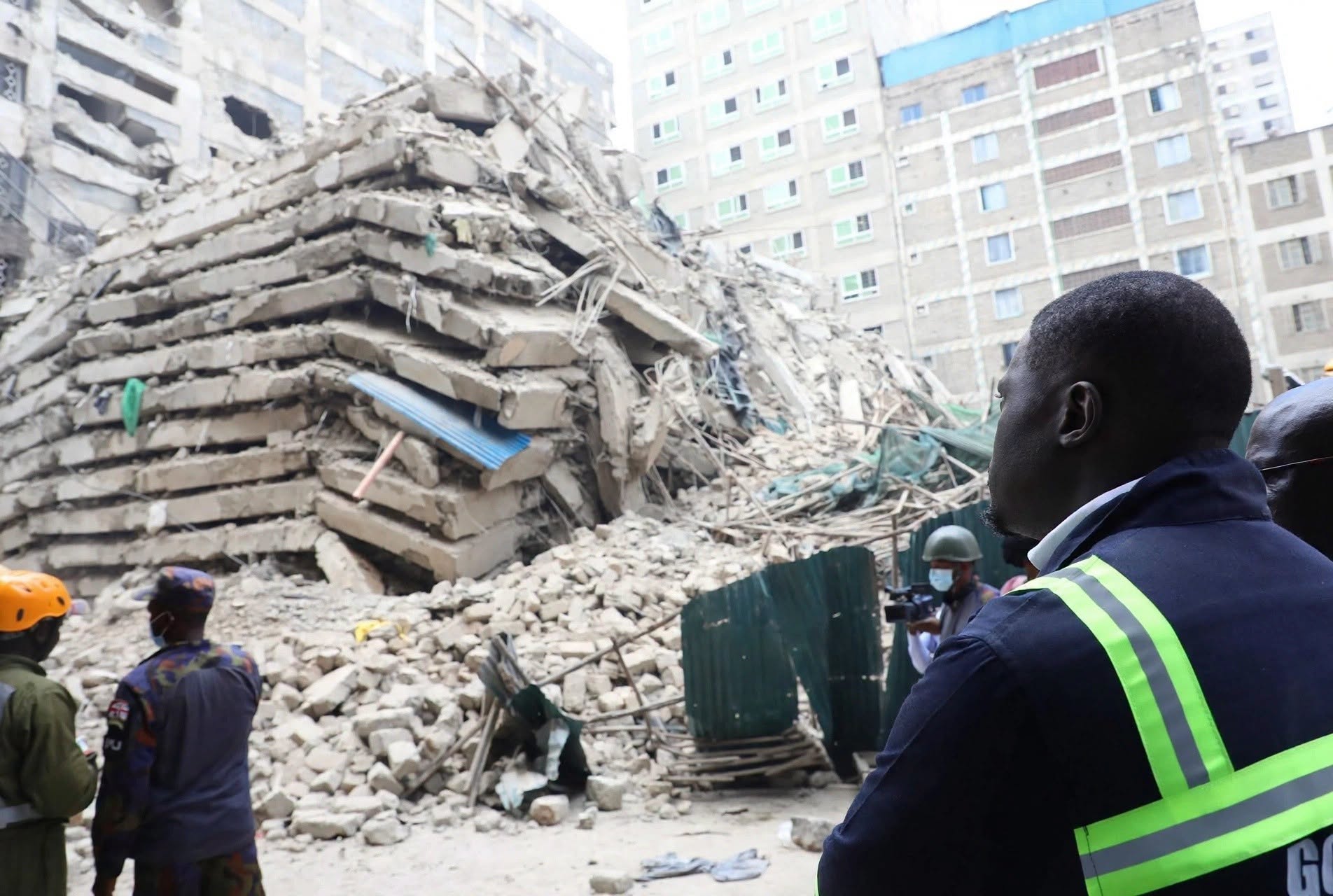
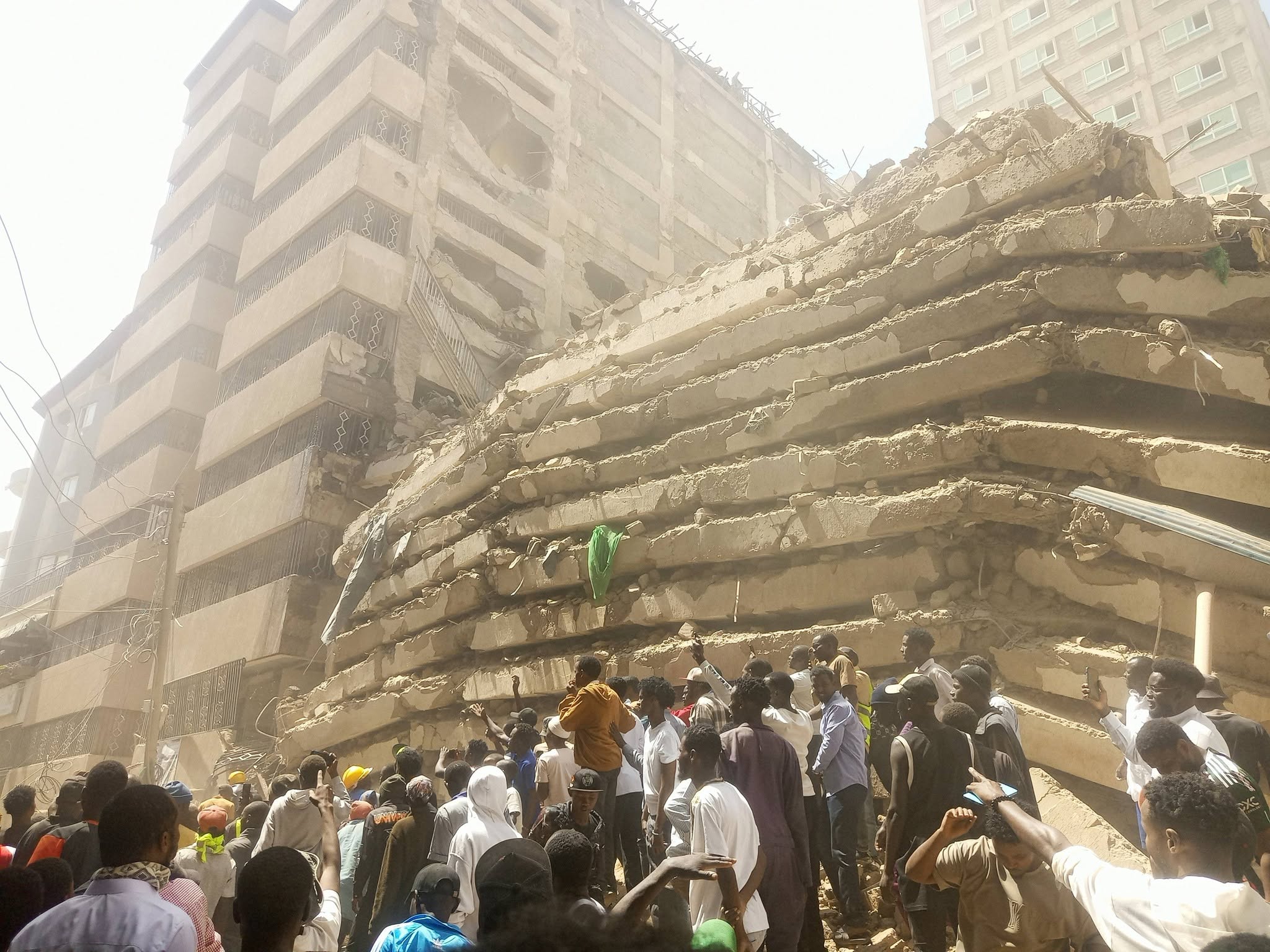
Seven people have been reported missing following the collapse of a multi-storey building under construction in Eastleigh, Nairobi. Rescue teams are continuing to search through the rubble for individuals feared trapped beneath the debris. The incident has raised concerns about construction safety, building regulations and the effectiveness of inspection procedures in Nairobi. Authorities are expected to establish the circumstances surrounding the collapse as rescue operations continue, with attention focused on locating the missing people and determining what led to the structure's failure.
A multi-storey building under construction collapsed in Eastleigh, Nairobi, leaving seven people reported missing as rescue teams continued searching through the rubble for individuals feared trapped beneath the debris.
The incident has raised fresh concerns about construction safety, regulatory oversight and the measures in place to ensure that buildings meet the required standards before and during construction. Rescue operations remained a priority as emergency responders worked to establish whether anyone was trapped inside the collapsed structure.
The building came down in Eastleigh, a densely populated neighbourhood in Nairobi that is known for its busy commercial activities, residential buildings and high concentration of businesses. The area attracts large numbers of traders, workers, shoppers and residents daily, making any major structural incident a serious concern for the surrounding community.
Following the collapse, attention turned to the possibility that people could still be beneath the debris. Seven people were reported missing, prompting continued efforts to search the affected site and determine their whereabouts.
The rescue operation involved efforts to examine the rubble and identify areas where missing individuals might be located. Such operations can be complicated by unstable sections of the remaining structure, heavy concrete slabs, twisted metal and other construction materials that may shift during the removal process.
Emergency teams must carefully assess the site before moving debris to avoid exposing responders and potential survivors to additional danger. Any movement of unstable materials can create further collapses, making coordination and caution essential throughout the operation.
The reported missing persons became the main focus of concern as families and members of the public awaited updates on the search. When buildings collapse unexpectedly, uncertainty over the condition and location of people believed to have been inside can be particularly distressing for their relatives.
Authorities and emergency responders faced the task of searching the site while managing the risks associated with a damaged building. The priority in such circumstances is to locate people who may be trapped, provide emergency assistance where necessary and ensure that rescue personnel can operate as safely as possible.
The collapse also drew attention to the risks associated with construction activities in crowded urban areas. Eastleigh has a mixture of commercial premises, residential buildings and busy streets where workers and members of the public can be close to active construction sites.
In such environments, building safety is important not only for construction workers but also for shop attendants, business owners, pedestrians and residents living or working nearby. A structural failure can place people inside the building and those in the surrounding area at risk.
The circumstances surrounding the collapse are expected to remain a key issue as authorities establish what happened and determine whether any safety requirements may have been breached. Investigations into building failures typically examine the structural design, construction materials, workmanship, site supervision and compliance with approved plans.
Inspectors may also need to establish whether the building was being constructed according to the approved specifications and whether the necessary inspections were conducted at the appropriate stages. These questions are important in determining whether the collapse resulted from structural weaknesses, construction errors, inadequate supervision or other contributing factors.
However, the precise cause of the Eastleigh incident cannot be established from the collapse alone. A thorough technical investigation is necessary before responsibility can be determined or any conclusions reached about possible negligence.
The incident has renewed public attention on the responsibilities of developers, contractors, engineers, building inspectors and relevant authorities in ensuring that construction projects comply with safety regulations.
Developers are expected to ensure that their projects are properly planned and executed. Contractors must follow approved designs and use appropriate materials, while qualified professionals have responsibilities relating to structural integrity, technical supervision and compliance with applicable standards.
Regulatory authorities also play an important role in reviewing building plans, inspecting construction sites and taking action when violations are identified. Effective oversight can help identify weaknesses before they develop into serious hazards.
When a building collapses, the public naturally seeks answers about how the structure was approved, whether inspections were carried out and whether concerns about its safety had previously been raised. These questions can only be addressed properly through evidence-based investigations and transparent communication.
The Eastleigh collapse is particularly concerning because the building was still under construction. Structures at different stages of development can present specific risks if temporary supports, structural elements or construction methods fail to perform as intended.
Construction projects require careful coordination between design, materials, workmanship and site management. Structural components must be installed according to approved plans, and the building must be capable of safely supporting the loads imposed at each stage of construction.
Changes to designs, poor-quality materials, inadequate reinforcement or errors in construction can compromise structural performance. However, identifying whether any of these factors contributed to the Eastleigh collapse requires technical assessments by qualified investigators.
The condition of the surrounding structures and the safety of nearby buildings may also require attention following such an incident. Debris from a collapse can damage neighbouring properties, block access routes and create hazards for people moving through the area.
Authorities may need to secure the affected site, restrict access to dangerous sections and assess whether nearby buildings have suffered structural damage. These measures can help protect the public while allowing rescue and investigative work to continue.
The impact of a building collapse can extend beyond the immediate search and rescue operation. Businesses in the surrounding area may face interruptions, roads and pedestrian routes can become difficult to access, and residents may experience uncertainty about the safety of nearby structures.
For traders in Eastleigh, a major incident can also disrupt daily commercial activities. The neighbourhood's busy business environment means that any emergency response may affect customers, suppliers, workers and people travelling through the area.
The immediate priority remains the search for the seven people reported missing. Until their whereabouts are established, families and the wider community are likely to remain anxious about the possibility that they could be trapped beneath the rubble.
Search operations following structural collapses can take time because responders must work systematically through debris while assessing the risk of further movement. Heavy machinery may be required to remove large pieces of concrete and other materials, but its use must be carefully coordinated where survivors could be present.
Rescue personnel may also need to inspect voids and spaces within the collapsed structure where people could potentially have survived. The nature of each operation depends on the condition of the building, the distribution of debris and information available about the people who may have been inside.
Communication with families and the public is another important part of the response. Reliable updates can help reduce confusion, prevent the spread of unverified information and ensure that relatives understand what is known about the search.
As investigations proceed, authorities are expected to establish the sequence of events leading to the collapse. This includes determining the stage of construction, the condition of the structure before it fell and whether any warning signs were reported.
If evidence of violations or negligence emerges, investigators may recommend further action in accordance with the law. Any decision to prosecute or impose other penalties should be based on the findings of the investigation and the applicable legal requirements.
The incident also highlights the importance of routine inspections throughout the construction process. While initial approval is an essential part of building regulation, continued monitoring can help establish whether work is progressing according to approved plans and safety requirements.
Urban areas experiencing rapid development face particular pressure to ensure that construction keeps pace with population growth without compromising public safety. New buildings can provide homes, commercial spaces and employment, but their benefits depend on sound design, competent construction and effective oversight.
In Nairobi, the need for safe buildings is especially important in neighbourhoods where commercial and residential activities take place close together. Building failures can cause loss of life, destroy property, disrupt livelihoods and place significant demands on emergency services.
Preventing similar incidents requires cooperation between public authorities and the construction industry. Developers and contractors must observe technical standards, qualified professionals must fulfil their responsibilities, and regulators must respond appropriately when safety concerns arise.
Public awareness can also contribute to prevention. Residents and workers who notice visible structural damage or potentially dangerous construction practices should have clear channels through which concerns can be reported and assessed by the relevant authorities.
At the same time, allegations about the cause of a collapse should be treated carefully until investigators have completed their work. Public accountability is important, but it must be supported by credible evidence and a clear understanding of the facts.
The Eastleigh incident has placed renewed focus on the relationship between construction standards, enforcement and the protection of people living and working in rapidly developing neighbourhoods.
For now, the search for the seven missing people remains the central concern. Emergency responders must continue working to locate those unaccounted for, assess the stability of the site and prevent further danger to the public.
The findings of the investigation will be important in establishing what caused the building to collapse and whether any individuals or institutions failed to meet their responsibilities. They may also help identify measures needed to strengthen construction safety and prevent similar incidents in the future.
As the rescue operation continues, families of the missing people and members of the Eastleigh community await further information. The incident serves as a reminder that building safety requires attention at every stage, from planning and approval to construction, inspection and completion.
The response to the collapse will involve both immediate action to account for those reported missing and longer-term efforts to establish responsibility, address any regulatory failures and reinforce safeguards for people living and working near construction sites.

You Might Also Like
-
The Directorate of Criminal Investigations (DCI) has arrested Festus Kipkirui, alias Festoo, in Mararianda, Narok East, over alleged online incitement linked to a Facebook page operating under the name Kipz Prince en Narok. The suspect was apprehended by a joint team of detectives from the DCI Headq
-
President William Ruto is set to embark on a four-day development tour of the Ukambani region, covering Machakos, Kitui and Makueni counties. The visit is expected to focus on government projects, infrastructure development and initiatives aimed at improving the livelihoods of residents. The tour wi
-
 The negotiations between Nyamira County ECDE teachers and the county government marked an important step towards resolving a dispute that had disrupted early childhood education. The September 21, 2026, agreement addressed the central issues of salary adjustments, formal recognition of KUNOPPET, re
-
Nairobi Governor Johnson Sakaja has revealed that the 16-storey building that collapsed in Eastleigh had no occupation certificate, raising concerns over compliance with construction regulations and building safety standards. Meanwhile, multi-agency rescue teams are using excavators and sniffer dogs
-
The development agenda associated with Aden Duale and John Mbadi brings together two important areas of government responsibility: healthcare delivery and economic planning. Duale's portfolio is relevant to strengthening medical services and improving access to essential healthcare, while Mbadi's Tr
-
The proposed Dangote refinery in Lamu has the potential to become a significant part of Kenya's industrial and energy ambitions. Its planned capacity, scale of investment and potential regional market could create opportunities in petroleum processing, manufacturing, logistics and employment. Howev