SOMALIA’S DEFENCE MINISTRY REPORTS HEAVY AL-SHABAAB CASUALTIES IN SOUTHERN FIGHTING
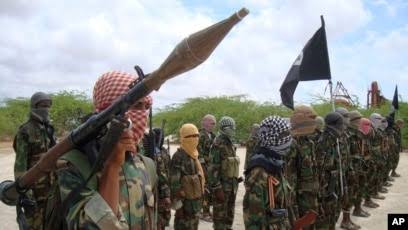
Somalia’s Defence Ministry has announced that 75 Al-Shabaab militants were killed and 56 others wounded during clashes with government forces in southern Somalia. The fighting comes amid ongoing military operations aimed at weakening the insurgent group and improving security in areas affected by prolonged conflict. Al-Shabaab remains a major security threat in Somalia, having carried out attacks against government institutions, security personnel and civilians over the years. The government continues to pursue efforts to disrupt the group’s activities and strengthen the country’s security infrastructure. The reported casualties highlight the intensity of the ongoing confrontation, as authorities seek to restore stability, protect communities and support the recovery of areas affected by insecurity. Further verified details on the location and circumstances of the clashes are needed to establish the full impact of the operation.
Somalia’s Defence Ministry has reported that 75 Al-Shabaab militants were killed and 56 others wounded during clashes between government forces and the insurgent group in southern Somalia. The reported casualties mark another development in the country’s continuing security operations against the armed group, which has carried out attacks against government institutions, security personnel and civilians for years.
According to the ministry, the fighting involved Somali government forces and Al-Shabaab militants operating in the southern part of the country. The reported deaths and injuries highlight the intensity of the confrontation as government forces continue efforts to weaken the group’s presence and restrict its ability to conduct attacks.
The ministry’s announcement provides an indication of the scale of the reported clashes, although further independently verified details about the precise location, timing and circumstances of the fighting would be needed to establish a complete picture of the operation. Information about the identities of those killed or wounded, as well as any casualties among government forces or civilians, was not included in the statement provided.
Al-Shabaab remains one of the main security challenges facing Somalia. The group has waged an insurgency against the Somali government for many years, seeking to undermine state authority and impose its strict interpretation of Islamic law. It has also targeted African Union forces and international partners supporting Somalia’s security efforts.
Somali authorities have repeatedly pledged to intensify operations against the group, particularly in areas where militants maintain a presence or seek to disrupt government control. These efforts have involved military offensives, security patrols and cooperation among national forces and other partners involved in supporting Somalia’s stability.
The latest reported clashes form part of this broader campaign. Government forces have been working to regain and secure territory, disrupt militant networks and reduce the group’s capacity to plan and execute attacks. However, the situation remains complex, with security gains often requiring sustained operations to prevent militants from returning to areas where they previously operated.
Al-Shabaab has maintained its ability to carry out attacks despite years of military pressure. Its activities have included assaults on military positions, roadside bombings, suicide attacks and attacks on public places. Such operations have contributed to insecurity in parts of Somalia and have placed civilians at risk.
The conflict has also affected economic activity, humanitarian access and efforts to rebuild public institutions. In areas affected by fighting, residents may face displacement, disruption to markets and limited access to essential services. Insecurity can make it difficult for aid organisations to reach vulnerable communities and deliver food, medical supplies and other forms of assistance.
The Somali government has identified the fight against Al-Shabaab as a central priority in its efforts to restore security and strengthen state institutions. The group’s continued activities have complicated efforts to establish lasting peace, particularly in rural areas where government authority and security arrangements remain vulnerable to militant attacks.
Southern Somalia has experienced prolonged insecurity linked to the insurgency. The region contains communities whose livelihoods depend on farming, livestock keeping, trade and other economic activities that can be disrupted by armed conflict. When clashes occur, residents may be forced to leave their homes, suspend businesses or seek safety in other locations.
The reported killing of 75 militants could represent a significant development for the government’s campaign if the figures are confirmed and the operation results in a lasting reduction in the group’s operational capacity. However, casualty figures alone do not necessarily establish whether an armed group has been substantially weakened. Its ability to recruit new members, obtain resources, maintain communication and carry out further attacks also affects the wider security situation.
The 56 militants reportedly wounded during the clashes add to the ministry’s account of the confrontation. The announcement did not provide further details about where the injured individuals were taken or whether they were captured. Additional information would be needed to establish the full outcome of the fighting.
Military operations against insurgent groups often involve considerable logistical challenges. Government forces must gather intelligence, coordinate personnel, maintain supplies and assess the risks posed by armed opponents. They must also consider the safety of civilians who live in or near areas where fighting takes place.
Protecting civilians remains an important concern during security operations. Communities caught between government forces and militants can face serious risks, including accidental injuries, displacement and the destruction of homes or property. Ensuring that operations comply with applicable humanitarian and human rights obligations is essential to reducing harm and protecting those not participating in hostilities.
The government’s campaign against Al-Shabaab also depends on more than military action. Long-term stability requires effective public administration, access to justice, functioning local institutions and opportunities for communities to participate in decisions affecting their lives. Where residents have access to essential services and legitimate economic opportunities, authorities may be better positioned to build public confidence and strengthen cooperation with security agencies.
Economic development is particularly important in communities affected by years of conflict. Investments in education, healthcare, roads, water supplies and employment can help address some of the difficulties that leave people vulnerable to exploitation by armed groups. Young people who lack access to education and livelihoods may face additional challenges, making sustainable development an important component of broader stabilisation efforts.
The conflict has also created a substantial humanitarian challenge for Somalia. Repeated insecurity, displacement and other pressures have affected households that already struggle to meet their basic needs. In areas where fighting restricts movement, families may have difficulty accessing food, healthcare and safe drinking water. Humanitarian organisations consequently face the challenge of delivering assistance while managing security risks.
Continued military pressure on Al-Shabaab may help create conditions for improved security, but any gains need to be consolidated. Authorities must ensure that areas cleared of militants receive adequate security arrangements and that residents can resume their normal activities. Without sustained protection and functioning local administration, territory recovered during military operations may remain vulnerable to renewed attacks.
The reported clashes also underline the importance of coordination among Somalia’s security institutions. Effective cooperation can improve intelligence sharing, strengthen operational planning and help ensure that different units work towards common objectives. Training, equipment and reliable logistical support are also important in maintaining the effectiveness of security forces over time.
At the same time, the government faces the challenge of balancing immediate security needs with the longer-term task of building public trust. Communities are more likely to cooperate with authorities when they believe their concerns are taken seriously and that security operations are conducted responsibly. Clear communication about military developments can also help reduce confusion and counter the spread of unverified information.
The latest announcement from the Defence Ministry is therefore part of a wider picture of Somalia’s continuing struggle to overcome an insurgency that has affected the country for many years. While the reported casualties indicate the intensity of the fighting, the broader impact of the operation will depend on developments beyond the immediate battlefield.
Authorities will need to establish whether the clashes have disrupted the militants’ networks and reduced their capacity to threaten communities and government positions. Continued monitoring and reliable information will be important in assessing the longer-term consequences of the operation.
The public will also be watching for further updates concerning the location of the clashes, the circumstances under which the casualties occurred and any additional security measures introduced in the affected areas. Such details would help provide a clearer understanding of the operation and its implications for residents.
For communities in southern Somalia, the most important outcome remains the prospect of lasting security. Residents need to be able to travel, conduct business, attend school and access healthcare without constant fear of violence. Achieving that objective will require sustained security efforts alongside investment in public services, economic recovery and effective local governance.
Somalia’s struggle against Al-Shabaab has demonstrated that military pressure can be an important part of confronting an armed insurgency, but lasting stability depends on a broader national effort. Strengthening institutions, protecting civilians, supporting vulnerable communities and creating opportunities for young people are all important elements of that process.
The Defence Ministry’s reported figures of 75 militants killed and 56 wounded provide the government’s account of the latest confrontation in southern Somalia.

You Might Also Like
-
Chief Justice Martha Koome’s call for adequate funding and stronger institutional preparation highlights the important role the Judiciary will play in Kenya’s 2027 General Election. Her announcement on October 28, 2026, of specialised training targeting more than 400 judicial officers demonstrat
-
A Nairobi court has declined to review the bail terms of a manyoka stunt matatu driver accused of causing a fatal crash along Enterprise Road in June. The accident claimed the lives of three passengers and left several others injured, raising renewed concerns about reckless driving and passenger saf
-
President William Ruto's visit to Moscow for the Third Russia–Africa Summit and Economic and Humanitarian Forum is an important diplomatic engagement for Kenya. The government is seeking to expand export markets, attract Russian investment, strengthen manufacturing, explore energy and infrastructu
-
 Musalia Mudavadi’s engagement with senior management at Sberbank’s headquarters in Moscow highlights Kenya’s efforts to strengthen economic diplomacy during the Third Russia–Africa Summit period. The meeting provides a potential platform for exploring financial services, digital innovation,
-
KEMSA's call for all 47 counties to allow SHA to facilitate payments for medicines highlights the need for a more dependable healthcare financing system in Kenya. The proposal seeks to improve the flow of money to the medical supply chain, reduce payment difficulties and help healthcare facilities m
-
William Owuor Ochieng’, popularly known on Facebook as “William Jahome,” has been arrested in Nairobi’s Central Business District over allegations of online threats, incitement to violence and ethnic hostility. The arrest has renewed attention on the growing concerns surrounding the misuse o