



The World Meteorological Organization (WMO) has issued a major weather outlook indicating a 100 per cent likelihood of El Niño conditions continuing through February 2027,
The World Meteorological Organization (WMO) has issued a major weather outlook indicating a 100 per cent likelihood of El Niño conditions continuing through February 2027,
The World Meteorological Organization (WMO) has issued a major weather outlook indicating a 100 per cent likelihood of El Niño conditions continuing through February 2027, raising concerns about the potential impact of the climate phenomenon on weather patterns, agriculture, water resources and livelihoods.
The forecast suggests that the effects associated with El Niño could remain a significant feature of the global weather system for several more months. El Niño is a climate phenomenon linked to unusually warm sea-surface temperatures in the central and eastern tropical Pacific Ocean. Because the Pacific Ocean plays an important role in influencing atmospheric circulation, changes in its temperatures can affect rainfall and temperature patterns far beyond the region.
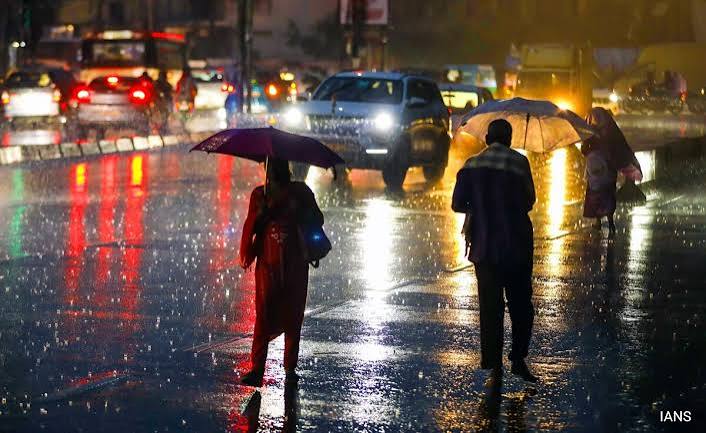
The continuation of El Niño conditions could therefore result in notable changes in weather patterns across different parts of the world. Some regions may experience increased rainfall and a greater risk of flooding, while others could face prolonged dry conditions, heatwaves and water shortages. The exact effects, however, vary depending on location, season and other factors influencing the climate system.
For countries that depend heavily on rain-fed agriculture, a prolonged period of unusual weather could create additional challenges for farmers and communities. Changes in the timing, intensity and distribution of rainfall can affect planting seasons, crop development and harvests. Farmers may be forced to adjust their agricultural calendars, while governments and humanitarian agencies could face increased pressure to support communities affected by extreme weather.
The potential continuation of El Niño also highlights the importance of early preparation. Meteorological authorities are expected to continue monitoring ocean temperatures, atmospheric conditions and rainfall patterns to provide updated forecasts. Such information can help governments, farmers, businesses and communities make informed decisions and prepare for possible weather-related risks.
Water resources are another area that could be affected. Depending on regional conditions, prolonged dry spells can reduce water availability in rivers, dams and other sources, increasing pressure on households, livestock and industries. At the same time, areas receiving excessive rainfall may experience flooding, landslides and damage to infrastructure.
The agricultural sector could be particularly vulnerable if weather conditions become more unpredictable. Farmers rely on relatively stable seasonal patterns to determine when to plant and harvest crops. When rainfall arrives earlier or later than expected, or when dry periods are interrupted by intense rainfall, agricultural productivity can be affected.
Livestock keepers could also face challenges. Reduced availability of pasture and water during dry conditions can put pressure on animals and increase production costs. In areas affected by heavy rainfall, livestock may also face increased exposure to disease and deteriorating grazing conditions.
The possible persistence of El Niño has implications beyond agriculture. Transport networks, roads, electricity infrastructure and settlements can all be affected by extreme weather. Heavy rainfall can damage roads and bridges, while flooding can disrupt transport and business activities. Conversely, prolonged drought and high temperatures can increase demand for water and electricity, putting additional pressure on essential services.
Health authorities may also need to remain alert. Extreme heat can increase risks for vulnerable populations, while floods can create conditions that contribute to the spread of certain waterborne diseases. Displacement caused by floods or other climate-related disasters can further strain healthcare and emergency-response systems.
For the public, meteorological warnings and advisories will remain important as the forecast period approaches. Residents are encouraged to pay attention to official weather information and follow guidance issued by national meteorological agencies. Communities in areas historically vulnerable to floods, droughts or landslides may need to strengthen preparedness measures before severe conditions occur.
The forecast also reinforces the importance of climate-resilient planning. Governments and local authorities can use seasonal climate information to prepare emergency response plans, protect critical infrastructure and support vulnerable communities. Farmers can similarly benefit from climate information when selecting crops, planning planting dates and managing water resources.
It is important to note that a forecast of continued El Niño conditions does not mean that every country or region will experience the same type of weather throughout the period. El Niño influences broad climate patterns, but local weather is also affected by other atmospheric and oceanic systems. Consequently, national and regional forecasts remain essential for understanding what communities can expect.
The World Meteorological Organization and national weather agencies are therefore expected to continue monitoring developments and updating their forecasts as new observations become available. Weather predictions can change as atmospheric and oceanic conditions evolve, making regular updates particularly important for decision-makers.
The reported 100 per cent likelihood of El Niño continuing through February 2027 places renewed attention on the need for preparedness. Governments, agricultural authorities, disaster-response agencies and communities may need to strengthen measures designed to reduce the potential effects of extreme weather.
For countries across Africa, including Kenya, seasonal forecasts are especially important because millions of people depend directly or indirectly on agriculture and natural resources. Reliable climate information can help farmers and policymakers prepare for possible changes in rainfall and temperature patterns.
As the world approaches the forecast period, continued monitoring will be crucial. The potential persistence of El Niño serves as a reminder that climate-related risks can extend across national borders and affect multiple sectors of society.
Ultimately, the impact of the phenomenon will depend on how conditions develop in individual regions. While the WMO forecast points to a continued El Niño pattern, communities will need to rely on updated national and regional weather advisories to understand the specific risks they may face.
The forecast therefore provides an opportunity for early action. By strengthening preparedness, improving access to weather information and supporting vulnerable communities, governments and citizens can reduce the potential disruption caused by unusual weather conditions.
With El Niño potentially remaining in place until February 2027, continued vigilance will be essential. Authorities, farmers, businesses and households are encouraged to monitor official forecasts and take appropriate precautions as weather conditions evolve.

You Might Also Like
-
 The death of Nancy Akinyi Koiya, a 26-year-old mother of two and businesswoman from the Kisumu–Nandi border region, has left her family and community devastated. She reportedly disappeared after leaving her hotel and catering business at Kibigori Junction earlier this week. Her husband, Kiplagat K
 -
The latest HELB announcement by Education Cabinet Secretary Julius Ogamba is significant for thousands of Kenyan students preparing to join universities and TVET institutions. The government's decision to extend the 2026/2027 tertiary education funding application deadline to September 21, 2026, aft
-
FUNERALS WITHOUT BODIES: NEPAL FAMILIES MOURN LOVED ONES STILL MISSING AFTER DEVASTATING FLOODS
-
The trailer fire at Kipsitet along the Kericho–Kisumu Highway on September 3, 2026, has drawn attention to the dangers faced by long-distance transport operators and other road users. The trailer, reportedly travelling toward Uganda, caught fire shortly after being parked along the highway near Mo
-
Kenya Airways has disclosed that it lost more than US$7 million (about KSh905 million) in revenue and additional disruption-related costs following a three-day industrial action that severely disrupted aviation operations in Kenya. The airline cancelled 63 flights, recorded more than 160 delays, wit
-
Kenya's current milk shortage is the result of several interconnected problems rather than one single cause. Dry and cold weather has reduced pasture and fodder availability, lowering milk yields in important dairy-producing areas. At the same time, high feed and operating costs have made production