UASU Demands Government to Honour 2025–2029 CBA as Lecturers Engage Parliament in Crucial Meeting
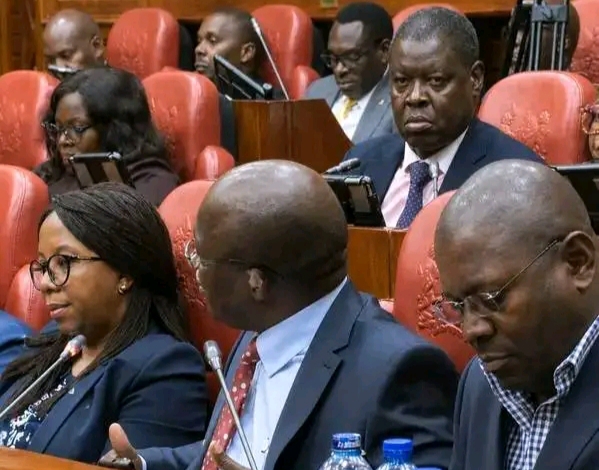
The Universities Academic Staff Union (UASU) on Wednesday, November 4, 2026, appeared before a parliamentary committee to push for the government to honour the 2025–2029 Collective Bargaining Agreement (CBA) negotiated with university lecturers. Led by Secretary-General Dr Constantine Wasonga, the union maintained that lecturers had already reached an agreement with the government and now expect the negotiated commitments to be fulfilled without further delays. UASU is demanding the implementation of the Sh20 billion package in accordance with the agreed payment schedule, alongside the conclusion of outstanding issues involving salaries, allowances and other employment benefits. The union also wants Parliament to intervene and ensure that the government honours its promises, arguing that lecturers have demonstrated goodwill by agreeing to return to work. The engagement is aimed at securing a lasting solution to the university lecturers' dispute, restoring stability in public universities and preventing further disruptions to students' academic programmes.
UASU is pushing for the government to honour the agreement reached with lecturers, arguing that the CBA negotiations have already gone through extensive discussions and that university employees should not continue waiting for an agreement that they believe has been fully negotiated. The union wants the government to move beyond discussions and ensure that the agreed terms are formally documented, signed and implemented.
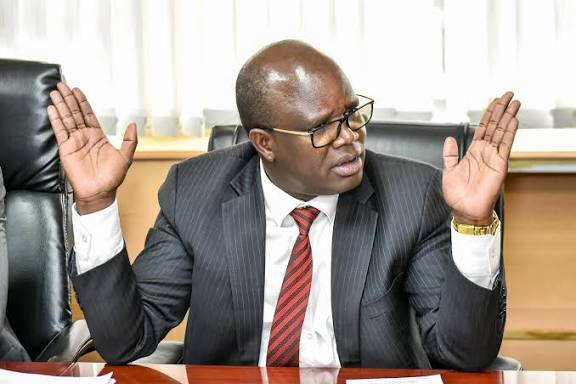
The parliamentary engagement is particularly important because the disagreement has affected learning in public universities, leaving thousands of students uncertain about lectures, examinations, academic calendars and graduation programmes. UASU wants lawmakers to help ensure that the government takes responsibility for concluding the matter rather than allowing further delays.During the meeting, UASU Secretary-General Dr Constantine Wasonga addressed members of the parliamentary committees responsible for Labour and Education, explaining the challenges facing university lecturers and the importance of honouring the commitments made during negotiations.
Wasonga maintained that lecturers had agreed to suspend their industrial action to give the government an opportunity to fulfil its promises. He explained that the decision to return to negotiations was made in good faith and should not be interpreted as an indication that lecturers had abandoned their demands.
The union wants the government to respect the return-to-work agreement signed on October 30, 2026, and ensure that the outstanding matters under the CBA are concluded within the agreed timelines.The Sh20 Billion Agreement and What UASU Wants
One of the major issues discussed during the engagement is the Sh20 billion package negotiated between the government and university staff unions.
The agreement followed weeks of disagreements over the amount the government was prepared to provide for the 2025–2029 CBA.
Initially, the government had presented financial proposals that UASU considered inadequate. The proposals included approximately Sh9.76 billion and Sh11.96 billion, figures that the unions rejected because they did not adequately address their demands.
UASU had initially sought approximately Sh98 billion for the four-year agreement, covering salary adjustments, allowances and other employment benefits.The agreement marked an important development in the dispute because it provided a financial framework for addressing lecturers' salaries and allowances.
The Sh20 billion is expected to be released in three instalments:
Sh6.7 billion during the 2026/2027 financial year.
Sh6.7 billion during the 2027/2028 financial year.
Sh6.6 billion during the 2028/2029 financial year.
UASU wants the government to respect this payment arrangement and ensure that the money is released as scheduled.
The union is also insisting that the outstanding CBA components must be concluded within the agreed timelines. This means that reaching a financial figure should not be treated as the end of the negotiations while other employment matters remain unresolved. Another major concern raised by UASU is the history of delayed government commitments concerning university employees.
The union has repeatedly complained that agreements reached during previous negotiations were not implemented within the promised timelines.
The November 2025 return-to-work formula had committed the parties to fast-track negotiations and conclude the 2025–2029 CBA within 30 days. However, the deadline passed without the agreement being finalised to the satisfaction of the unions.
The failure to resolve the outstanding issues contributed to the renewed industrial action that began on October 2, 2026.
UASU has therefore asked Parliament to help ensure that the government does not repeat the same mistakes.Another important issue raised by Wasonga concerns the funding of salaries and employment benefits for university lecturers.
UASU has strongly opposed proposals that would make the payment of university employees dependent on student numbers, tuition fees, student loans or other market-based sources of revenue.
The union argues that lecturers working in public universities are public officers and should receive their salaries through appropriate government funding arrangements.
Wasonga told the parliamentary committees that public universities cannot be expected to deliver quality education, research, innovation and community services if their employees are working under an uncertain funding system.The union wants the government to guarantee that salaries and negotiated employment benefits will be supported through the National Exchequer.
UASU believes that relying on student fees to finance lecturers' salaries could expose employees to uncertainty whenever universities experience financial difficulties or reduced student enrolment.
The union is also concerned that the proposed funding arrangements could undermine the stability of public universities.
It wants Parliament to ensure that the financing of public university employees is properly addressed in government policies and legislation.
The matter is particularly important because universities require stable financial resources to recruit qualified lecturers, retain experienced academic professionals and provide quality education to students.Outstanding Issues Under the CBA
Although the Sh20 billion agreement represents an important development, UASU wants the government to address all the outstanding components of the collective bargaining negotiations.
The union's demands go beyond basic salary increments and include several employment benefits intended to improve the welfare of university employees.
Among the issues raised during the negotiations are:
Salary increments: Lecturers want improved basic salaries that reflect their qualifications, responsibilities and experience.House allowances: UASU has proposed better housing allowances to help university employees manage the rising cost of accommodation.
Commuter allowances: The union wants improved transport allowances for lecturers and other university employees.
Medical benefits: University staff are seeking improved medical, dental and optical insurance coverage.
Research support: The union wants better support for academic research, innovation and professional development.
Pension concerns: Employees want outstanding pension-related matters and deductions addressed.
Car loans and mortgages: The union wants improved access to financial facilities that can help employees acquire homes and vehicles.
Staff recruitment: UASU wants public universities to recruit more permanent lecturers to address shortages and reduce excessive workloads.Lecturers' Strike and Its Impact on University Students
The disagreement over the CBA has had serious consequences for students studying in public universities across Kenya.
The industrial action that began on October 2 disrupted lectures, examinations and other academic activities.
Thousands of students were affected as university administrations struggled to maintain normal academic programmes without the participation of lecturers and other university employees.
Some students faced uncertainty over their examination dates, graduation schedules and the completion of their academic programmes.
The strike also affected research activities, university projects and other academic services that depend on the participation of teaching staff.UASU wants the government to understand that university employees also have financial responsibilities and deserve predictable working conditions.
The union argues that lecturers cannot be expected to deliver quality education while their employment benefits and negotiated agreements remain unresolved.
The situation has also raised broader questions about the government's financing of public universities and the importance of maintaining good working relationships with university employees.
A lasting solution would help universities restore their academic programmes and give students greater certainty about their studies.Wasonga Warns Against Further Delays
During his appearance before the parliamentary committees, Wasonga emphasised the importance of implementing the return-to-work agreement and completing the outstanding negotiations.
His message was that university lecturers had demonstrated their willingness to resolve the dispute through dialogue, and the government should now honour the commitments reached.
The union does not want another cycle of negotiations in which agreements are reached but implementation is delayed.
Wasonga's position also highlights the importance of respecting collective bargaining as a process through which employers and employees negotiate their salaries, allowances and working conditions.The next stage will involve ensuring that the commitments made during negotiations are translated into a clear implementation programme.
The government, through the Ministry of Education, the National Treasury and relevant university employers, will need to ensure that the agreed financial resources are released according to schedule.
The outstanding components of the CBA will also need to be addressed so that university employees have clarity about their salaries, allowances and other employment benefits.
Parliament will have an important oversight role in following up on the concerns presented by UASU and examining whether the government is meeting its obligations.
For university lecturers, the main expectation is that the 2025–2029 CBA will finally receive the attention it deserves after months of disagreements and industrial action.For students, a successful resolution would mean greater stability in public universities and fewer disruptions to academic programmes.
The government is also under pressure to demonstrate that it can maintain constructive relationships with public university employees while ensuring that higher education institutions have adequate resources to operate.
The central message from UASU's engagement with Parliament on November 4 is that university lecturers want the government to honour the negotiated commitments, release the agreed Sh20 billion in accordance with the payment schedule and conclude the outstanding CBA matters within the agreed timelines. The union maintains that lecturers have already made compromises to allow learning to resume, and it now expects the government to deliver on its promises.

You Might Also Like
-
The Government of Kenya has launched the NYOTA Access to Government Procurement Opportunities (AGPO) digital training programme targeting at least 600,000 entrepreneurs across the country, in a major initiative aimed at empowering young people, women and persons with disabilities to access governmen
-
Residents of Manyatta B in Kisumu County have been left shocked following the discovery of the body of an unidentified man dumped inside a damaged septic tank near Yellow Bridge on November 3, 2026. The discovery was reportedly made by a local resident, Willy Otiende, who was searching for his missi
-
Democrats have taken control of both the United States House of Representatives and the Senate following the November 3, 2026 midterm elections, marking a major political setback for President Donald Trump and the Republican Party. The Democratic victories across several states have shifted the bala
-
The Seventh Principal Secretaries’ Forum of 2026 in Malindi, Kilifi County, was an important government coordination meeting focused on national development, accountability and improved service delivery. Chaired by Chief of Staff and Head of Public Service Felix Koskei, the forum addressed critic
-
Kipchumba Murkomen's appearance before the National Assembly on November 4, 2026, brought attention to the government's wider security and service delivery agenda. Among the measures he highlighted were the 16-month security roadmap ahead of the 2027 General Election, efforts to dismantle criminal
-
University lecturers have threatened to resume strike action if the government fails to address concerns over funding and unpaid bills. The warning comes days after they ended a month-long strike and returned to classrooms following a KSh20 billion agreement with the government. The deal covers the