University of Nairobi Students Take to the Streets, Light Bonfires and Barricade Waiyaki Way Over Lecturers’ Strike
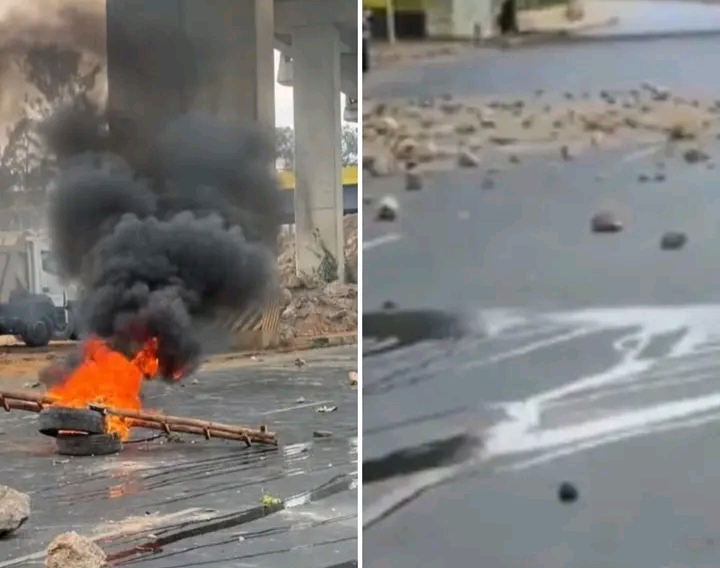
The University of Nairobi students’ demonstrations along Waiyaki Way on October 27, 2026, reflect mounting frustration over the nationwide lecturers’ strike that has disrupted learning since October 2. Students lit bonfires and barricaded sections of the highway with stones, forcing motorists to seek alternative routes. Police officers responded with tear gas and began clearing the road to restore traffic flow. At the centre of the protests is the disagreement over the 2025–2029 Collective Bargaining Agreement, including the financial commitments required to address university staff demands. While the dispute directly involves lecturers and the government, students are bearing the consequences through missed academic activities and uncertainty about their studies. The repeated demonstrations highlight the urgency of reaching a negotiated settlement. Restoring normal university education will require more than clearing roadblocks; it will require meaningful engagement between the government and staff unions, credible commitments and clear communication with students.
University of Nairobi students have staged fresh demonstrations along Waiyaki Way in Nairobi, lighting bonfires and barricading sections of the busy highway with stones as they demand an immediate end to the ongoing lecturers’ strike. The protests on Tuesday, October 27, disrupted traffic and brought movement along parts of the road to a standstill, forcing motorists to turn back or seek alternative routes. Police officers moved in to disperse the protesters, firing tear gas as tensions escalated. The demonstration reflects growing frustration among university students over the prolonged interruption of academic activities, including missed lectures, disrupted examinations and uncertainty about when normal learning will resume.
The latest protest comes less than a week after a similar demonstration on October 21, when University of Nairobi students blocked sections of Waiyaki Way using stones and burning tyres. The repeated demonstrations have increased pressure on the government, the Ministry of Education and university staff unions to find a lasting solution to the industrial dispute affecting public universities across the country. According to reports published on October 27, the students moved onto Waiyaki Way after exiting the Museum Hill area towards Parklands. They lit bonfires and placed stones across sections of the road, disrupting the normal flow of vehicles along one of Nairobi’s important transport routes.
The barricades made it difficult for motorists to proceed through the affected sections. Some drivers were forced to turn back, while others looked for alternative routes to reach their destinations. The disruption affected commuters who rely on the highway for daily travel, including workers, students, businesspeople and public transport passengers.
The lighting of bonfires and placement of stones on the highway illustrated the intensity of the students’ frustration. Their protest was directed at the prolonged lecturers’ strike, which has left university learners waiting for a return to normal academic activities.Police move in to disperse the protesters
As the demonstration intensified, police officers moved in to disperse the students and restore traffic flow. Reports indicate that officers fired tear gas, causing protesters to scatter in different directions as the confrontation escalated.
The police subsequently began removing the barricades to reopen the affected sections of the highway. The intervention came amid growing disruption to motorists and other road users.
The confrontation demonstrates the difficulty of balancing the right to peaceful protest with the need to maintain public order and protect other road users. Students have legitimate interests in receiving an education without prolonged interruptions, but demonstrations that block major highways can expose participants and members of the public to additional risks.Why University of Nairobi students are protesting
The central issue behind the demonstrations is the nationwide lecturers’ strike that began on October 2, 2026. University staff unions have been pushing for progress on the 2025–2029 Collective Bargaining Agreement (CBA), which covers employment terms, including salaries and allowances.
The Universities Academic Staff Union (UASU) and other university staff unions have called for a clear financial commitment from the government towards implementing the agreement. Negotiations have remained contentious, with disagreement over the resources available and the terms required to resolve the dispute. Although the industrial action involves lecturers and the government, students are among those directly affected by its consequences. They depend on lecturers to deliver lessons, supervise academic work, conduct assessments and guide them through their respective programmes.
When teaching stops for an extended period, students can lose valuable instructional time. Those who expected to complete a semester, undertake examinations or graduate according to a planned schedule may find themselves facing uncertainty.
This explains why students have increasingly called for urgent intervention. Their position is that the dispute should not continue at the expense of their academic progress.The lecturers’ strike is linked to disagreements over the implementation of the 2025–2029 Collective Bargaining Agreement. The agreement concerns the terms and conditions of employment for university academic staff, including remuneration and allowances.
According to reporting on the negotiations, the government presented a counteroffer of KSh11.9 billion for the four-year agreement, but the unions considered the offer inadequate. The dispute has centred on the financial commitments needed to implement the agreement and the extent to which the government’s proposal meets the unions’ demands.
For lecturers, remuneration and employment conditions are important issues affecting their livelihoods and professional expectations. For the government, reaching an agreement also involves determining how the required expenditure will be funded and managed.
The challenge is to find a settlement that addresses the unions’ concerns while establishing a credible funding arrangement.Before the October 21 demonstration, UNSA President Ahmed Rashid issued a 72-hour ultimatum on October 16, demanding action to address the lecturers’ strike. Student leaders argued that the continued disruption was unfair to learners whose academic programmes were being affected.
During the earlier protest, student leaders also called for the resignation of Education Cabinet Secretary Julius Ogamba, accusing the Ministry of Education of failing to resolve the impasse. They urged students at other universities to support efforts to secure a return to normal learning.
The renewed demonstrations on October 27 indicate that the earlier action had not brought the dispute to an end.When a major highway is blocked, the effects can extend to roads beyond the immediate protest location. Motorists may divert to alternative routes, increasing congestion elsewhere and lengthening journey times.
Public transport passengers can also experience delays, particularly those travelling to work, school, hospitals and other essential destinations. Drivers and transport operators may lose income when vehicles remain stuck in traffic or must take longer routes.
Businesses that depend on the timely movement of employees, customers and deliveries can experience additional operational difficulties. People with scheduled appointments may also struggle to arrive on time.What needs to happen next?
The immediate priority is to ensure that roads are safe, traffic can flow normally and any injuries or damage are properly assessed. Police and university authorities should provide verified information about the situation following the demonstrations.
The longer-term priority is resolving the lecturers’ strike.
The government, the Ministry of Education, university management and the relevant staff unions need to pursue negotiations that address the disputed financial commitments and employment terms. Any agreement should be communicated clearly so that lecturers, students and university administrators understand the steps required to resume academic activities.
University management should also provide students with reliable updates about teaching schedules, examinations and possible adjustments to the academic calendar. Clear information would help students plan their studies and reduce uncertainty.

You Might Also Like
-
Chief Justice Martha Koome’s call for adequate funding and stronger institutional preparation highlights the important role the Judiciary will play in Kenya’s 2027 General Election. Her announcement on October 28, 2026, of specialised training targeting more than 400 judicial officers demonstrat
-
A Nairobi court has declined to review the bail terms of a manyoka stunt matatu driver accused of causing a fatal crash along Enterprise Road in June. The accident claimed the lives of three passengers and left several others injured, raising renewed concerns about reckless driving and passenger saf
-
President William Ruto's visit to Moscow for the Third Russia–Africa Summit and Economic and Humanitarian Forum is an important diplomatic engagement for Kenya. The government is seeking to expand export markets, attract Russian investment, strengthen manufacturing, explore energy and infrastructu
-
 Musalia Mudavadi’s engagement with senior management at Sberbank’s headquarters in Moscow highlights Kenya’s efforts to strengthen economic diplomacy during the Third Russia–Africa Summit period. The meeting provides a potential platform for exploring financial services, digital innovation,
-
KEMSA's call for all 47 counties to allow SHA to facilitate payments for medicines highlights the need for a more dependable healthcare financing system in Kenya. The proposal seeks to improve the flow of money to the medical supply chain, reduce payment difficulties and help healthcare facilities m
-
William Owuor Ochieng’, popularly known on Facebook as “William Jahome,” has been arrested in Nairobi’s Central Business District over allegations of online threats, incitement to violence and ethnic hostility. The arrest has renewed attention on the growing concerns surrounding the misuse o