Waiyaki Way Disrupted as University of Nairobi Students Protest Over Lecturers’ Strike
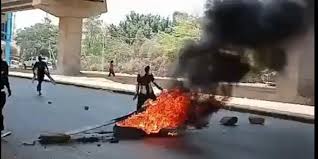
Transport along Waiyaki Way in Nairobi has been disrupted as University of Nairobi students take to the streets to protest the ongoing lecturers’ strike. The demonstrations have affected traffic flow, forcing motorists and commuters to seek alternative routes as concerns grow over the continued interruption of learning activities. Students are calling for a resolution to the dispute to allow academic programmes to resume and prevent further delays to their studies. Motorists are advised to exercise caution and follow traffic updates when travelling through the affected areas. The protests have renewed calls for dialogue between lecturers, university management and the government to restore normal learning activities.
Transport along Waiyaki Way in Nairobi has been disrupted following demonstrations by University of Nairobi students protesting the ongoing lecturers’ strike, which has affected learning activities and raised concerns about the future of academic programmes.
The demonstrations have drawn attention to the continuing standoff between university lecturers and the government over issues affecting higher education. The situation has also highlighted the frustration among students who say prolonged industrial action can interfere with their studies, academic calendars and plans for completing their courses.
Waiyaki Way, one of Nairobi’s important transport corridors, has experienced traffic disruption as the protests affect movement in the surrounding areas. Motorists, public service vehicle operators and other road users have faced difficulties navigating the affected sections, with commuters potentially experiencing delays while travelling to work, school and other destinations.
The demonstrations come amid continued concern over the lecturers’ strike, which has disrupted normal academic operations at public universities. Students have been left waiting for a resolution that would allow learning to resume and provide greater certainty about the completion of the academic year.
Students Take to the Streets
University students have taken to the streets to express their dissatisfaction with the continuing disruption of learning. The demonstrations reflect growing concern among learners over the impact of the strike on their education and their ability to complete academic requirements within the expected timelines.
For many university students, the academic calendar plays an important role in determining when they will complete their studies, graduate and begin pursuing employment opportunities. When learning activities are interrupted for an extended period, students may face uncertainty regarding examinations, coursework, practical sessions and graduation dates.
The protest along Waiyaki Way has brought these concerns into the public spotlight, with the disruption affecting not only the university community but also other road users travelling through the area.
Students rely on universities to provide consistent teaching, academic guidance and opportunities to acquire the skills required for the job market. Consequently, interruptions caused by industrial disputes can create anxiety among learners who are already dealing with financial pressures, accommodation expenses and the cost of living.
The demonstrations are therefore taking place against a wider background of concerns about the quality, accessibility and stability of higher education in Kenya.
Lecturers’ Strike Disrupts Learning
The ongoing lecturers’ strike has emerged as a major challenge for public universities, affecting the normal delivery of academic programmes and raising questions about the timely completion of courses.
Lecturers play a central role in university education through classroom teaching, examinations, research supervision and academic mentorship. When they withdraw their services, universities may struggle to maintain normal operations, leaving students uncertain about when classes and other academic activities will resume.
The effects can extend beyond missed lectures. Students may have to adjust their personal schedules, postpone academic projects and reconsider arrangements they had made in anticipation of completing their studies within a particular period.
Those in their final years may be especially concerned about delays that could affect graduation and entry into the employment market. Others may worry about whether interrupted courses will be completed in time for examinations or other academic assessments.
The strike has also renewed debate about the relationship between university management, lecturers, government agencies and students. While industrial disputes often involve negotiations over employment terms and institutional commitments, students can bear significant consequences when disagreements remain unresolved.
The latest demonstrations illustrate how such disputes can spill beyond university campuses and become a public concern when students take their grievances to the streets.
Traffic Disruption Along Waiyaki Way
The demonstrations have affected traffic movement along Waiyaki Way, a major route serving motorists travelling between different parts of Nairobi and neighbouring areas.
Road disruptions in such a busy corridor can have consequences for thousands of commuters, particularly during periods when people are travelling to workplaces, educational institutions and commercial centres.
When demonstrators occupy sections of a road or movement is restricted for security reasons, vehicles may be forced to slow down, stop or divert to alternative routes. Such interruptions can create congestion on nearby roads as drivers attempt to avoid the affected areas.
Public service vehicles may also experience delays, potentially leaving passengers waiting longer than usual or arriving at their destinations later than planned. For workers, students and business operators, unexpected delays can interfere with daily schedules and increase transport costs.
Motorists travelling through the area are therefore encouraged to exercise caution, monitor traffic updates and follow directions issued by police and traffic officers. Where possible, commuters should consider alternative routes and allow additional time for their journeys.
Road users should also avoid attempting to force their way through crowds or confront demonstrators, as such actions can increase the risk of accidents and further complicate traffic management.
The situation underscores the importance of maintaining public safety while ensuring that demonstrations do not unnecessarily endanger road users or emergency services.
Students Demand a Resolution
The protests have brought renewed attention to the need for a lasting solution to the lecturers’ dispute. Students require clarity on when academic activities will resume and how universities intend to address any disruption to the academic calendar.
A negotiated settlement could help restore normal learning while giving lecturers and university administrators an opportunity to address the issues at the centre of the industrial action.
For students, timely communication is particularly important. Clear information about the status of negotiations, the expected resumption of classes and possible adjustments to examinations can help learners make informed decisions about their studies.
Uncertainty can be particularly difficult for students who depend on financial support from parents, guardians, sponsors or education loans. Prolonged interruptions may increase the burden of maintaining accommodation and meeting other expenses while waiting for academic activities to resume.
The demonstrations also highlight the importance of including students’ interests in discussions surrounding university disputes. Although students may not be directly involved in negotiations between lecturers and their employers, they are among those most affected by the outcome.
A sustainable resolution would need to address the concerns raised by the parties involved while protecting the continuity of university education.
Impact on the Wider Public
The disruption along Waiyaki Way demonstrates how protests over education can affect people beyond the institutions at the centre of a dispute.
Nairobi’s road network supports the movement of workers, traders, students, public transport vehicles and emergency services. When a major route is disrupted, the effects can spread to surrounding streets and affect businesses that depend on reliable access.
Some commuters may be forced to spend more money on transport, while businesses could experience delays in deliveries and staff reporting to work. People travelling for medical appointments or other urgent engagements may also face difficulties if congestion becomes severe.
For this reason, effective coordination between protest organisers, traffic officers and relevant authorities is important in managing demonstrations while reducing risks to the public.
At the same time, the right to peaceful assembly remains an important part of democratic participation. Students and other citizens may use demonstrations to draw attention to issues they believe require urgent action. Ensuring that such protests remain peaceful can help protect both participants and members of the public.
Authorities must balance public safety, the management of traffic and the protection of lawful demonstrations.

You Might Also Like
-
The National Assembly has passed the Sexual Offences (Amendment) Bill No. 78 of 2023, aimed at promoting public awareness, protecting victims’ right to education and aligning existing laws with the Constitution of Kenya. The proposed amendments highlight the importance of safeguarding victims’ r
-
The Kenya Meteorological Department's forecast for October 20–26, 2026, indicates that rainfall is expected in parts of 45 counties across western Kenya, the Rift Valley, Central Kenya, the Coast, the eastern region and the north-eastern counties. Afternoon thunderstorms are particularly relevant
-
Felix Koskei's participation in the Global Trust Summit 2026 placed Kenya's public service leadership within a major conversation about the relationship between institutions and the people they serve. The summit's first day focused on rebuilding trust from the frontline, examining democracy, publi
-
The October 21 protest by public health officers in Nairobi has brought renewed attention to the connection between workers' welfare, adequate staffing and Kenya's preparedness for infectious disease outbreaks. As their nationwide strike entered its 92nd day, the officers demanded the signing of a
-
Governor Patrick Ole Ntutu's reported peace message during the Mashujaa Day celebrations at Esoit Naibor Primary School highlights the importance of unity, security and cooperation in Trans Mara South. The gathering came amid concerns about inter-clan disputes and the need to prevent ethnic incitem
-
Deputy President Kithure Kindiki's development agenda in Gatundu North highlights two important areas: modern market infrastructure and improved road connectivity. Kanyoni Market represents the importance of supporting small-scale traders and farmers, while the inspection of the Thika–Magumu Mau M