William Jahome Arrested in Nairobi Over Alleged Online Threats and Ethnic Hostility
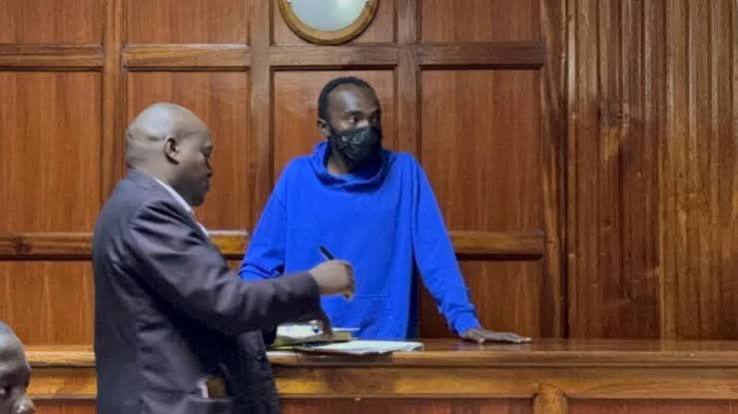
William Owuor Ochieng’, popularly known on Facebook as “William Jahome,” has been arrested in Nairobi’s Central Business District over allegations of online threats, incitement to violence and ethnic hostility. The arrest has renewed attention on the growing concerns surrounding the misuse of social media platforms. Authorities continue to emphasise the importance of responsible online communication and peaceful coexistence among communities. The case highlights the need to balance freedom of expression with public safety and adherence to the law. Ochieng’ remains subject to the legal process, and the allegations must be established through the appropriate judicial procedures.
William Owuor Ochieng’, who operates a Facebook account under the name “William Jahome,” has been arrested in Nairobi’s Central Business District over allegations of issuing online threats, inciting violence and promoting ethnic hostility. The arrest highlights growing concerns over the use of social media platforms to spread messages that could threaten public safety, undermine peaceful coexistence and create divisions among communities. The case also brings renewed attention to the responsibility of social media users to communicate responsibly and the role of law enforcement agencies in addressing online conduct suspected of violating Kenyan law.
The arrest in Nairobi’s Central Business District places the spotlight on the increasing attention authorities are giving to online activity and its potential consequences in the physical world. Social media platforms have become important channels through which Kenyans share news, express opinions, debate political issues and engage in public discussions. However, these platforms can also be used to distribute threatening messages, spread inflammatory statements and circulate content that may encourage hostility between individuals or communities.
The allegations against Ochieng’ involve several serious issues, including online threats, incitement to violence and ethnic hostility. Such allegations are particularly sensitive in a country where peaceful coexistence among communities remains an important national priority. Kenya is home to diverse ethnic, cultural and religious groups, and maintaining mutual respect among these communities is essential for social stability and national unity.
Online threats can create fear and anxiety among individuals who believe they may become targets of intimidation or violence. When such messages are shared publicly, they can reach large audiences within a short period, potentially increasing their impact. Unlike traditional forms of communication, social media allows users to distribute content quickly, while other users can copy, repost or comment on it, extending its reach beyond the original audience.
The allegation of incitement to violence raises additional concerns because messages shared online may influence how people respond to disagreements or sensitive public issues. Statements that encourage physical confrontation or suggest that violence is an acceptable response to disputes can contribute to an environment of fear and hostility. However, determining whether particular statements amount to unlawful incitement requires careful examination of the content, its context and the applicable legal provisions.
The allegation of promoting ethnic hostility is also significant because messages targeting people based on their ethnic identity can deepen divisions and weaken trust between communities. Ethnic tensions can be fuelled by misinformation, inflammatory language and claims that portray entire communities as enemies or threats. When such content circulates widely, it may encourage discrimination, provoke confrontations or undermine efforts to build peaceful relationships among citizens.
At the same time, the investigation must distinguish between unlawful conduct and legitimate expression. Citizens have an important role in discussing public affairs, criticising leaders, questioning government decisions and expressing differing opinions. Political disagreement and robust public debate are normal features of a democratic society. The challenge for authorities is to establish whether specific online statements cross the legal threshold into threats, incitement or other prohibited conduct without unfairly restricting lawful expression.
The arrest of Ochieng’ demonstrates how online activity can attract the attention of law enforcement agencies when allegations of potentially criminal conduct arise. Digital platforms provide investigators with material that may be relevant to an inquiry, including publicly available posts, comments, videos and other electronic communications. Depending on the circumstances, investigators may examine the origin of particular messages, their intended audience, the context in which they were shared and whether they may be linked to alleged offences.
Digital investigations can be complex because online accounts may contain information that requires verification. Investigators must establish the authenticity of relevant material and determine whether the person under investigation was responsible for the communications in question. Screenshots, copied messages and online claims may not always provide the complete context of a conversation, making careful examination important before conclusions are reached.
In cases involving alleged online threats, investigators may also need to establish the nature of the threat, the circumstances in which it was communicated and whether there is evidence supporting the alleged offence. Where incitement or ethnic hostility is suspected, the wider context of the statements may also be relevant. A fair investigation should rely on verifiable evidence and follow the procedures required by law.
The legal process is equally important in protecting the rights of the person arrested. An arrest does not amount to a conviction, and the allegations against Ochieng’ must be assessed through the appropriate legal channels. He is entitled to the protections provided under Kenyan law, including the right to a fair hearing and the opportunity to respond to the allegations. Any determination of criminal responsibility must be based on evidence presented through the established judicial process.
The case also raises broader questions about the responsibilities of social media users. Facebook and other digital platforms allow individuals to communicate with friends, share personal experiences and participate in national conversations. Their accessibility has helped expand public participation and made it easier for citizens to raise concerns about issues affecting their communities. Nevertheless, the ability to communicate widely comes with a responsibility to consider the possible consequences of published content.
Users should be cautious about sharing messages that threaten others, encourage violence or target communities with hostile language. Content posted in the heat of an argument can spread beyond its intended audience and remain accessible even after the original author attempts to remove it. Messages may also be copied, archived or shared by other users, making it difficult to control their circulation once they become public.
Social media users should also verify information before sharing it, particularly when it concerns ethnic groups, political tensions or allegations against specific individuals. False claims can damage reputations, provoke hostility and mislead the public. Responsible communication requires users to distinguish between verified information, personal opinion and unconfirmed allegations.
Members of the public who encounter credible threats or messages that appear to encourage violence can report them through appropriate platform mechanisms or relevant authorities. Reporting potentially harmful content can help ensure that concerns are reviewed through established procedures rather than escalating disagreements through public confrontation. Individuals should avoid retaliating with threats or spreading unverified accusations, as such actions may worsen an already sensitive situation.
Technology companies also have a role in addressing harmful content on their platforms. Social media services generally provide tools through which users can report posts, accounts or communications that may violate platform rules. These mechanisms can help identify content that requires review, although decisions about whether conduct amounts to a criminal offence remain distinct from a platform's internal moderation process.
Public awareness is another important part of preventing online hostility. Educational programmes can help citizens understand the difference between criticism, disagreement, harassment and threats. They can also encourage respectful discussions, responsible sharing of information and peaceful ways of resolving disputes. Schools, community organisations, media institutions and public agencies can contribute to these efforts by promoting digital literacy and awareness of the consequences of harmful online behaviour.
Kenya's experience with social media demonstrates the importance of balancing freedom of expression with the need to protect individuals and communities from genuine threats. Online platforms have expanded opportunities for citizens to participate in public affairs, but they have also created new challenges for investigators, regulators and the courts. Addressing these challenges requires consistent enforcement of the law, respect for constitutional rights and careful consideration of the evidence in individual cases.
The arrest of Ochieng’ is therefore likely to renew public discussion about how online communication should be handled when it involves allegations of threats, violence or ethnic hostility. The central issue will be whether the evidence gathered by investigators supports the allegations and whether any subsequent legal proceedings establish an offence under the applicable law. Until the facts are determined through the appropriate process, the allegations should not be treated as proven.

You Might Also Like
-
Chief Justice Martha Koome’s call for adequate funding and stronger institutional preparation highlights the important role the Judiciary will play in Kenya’s 2027 General Election. Her announcement on October 28, 2026, of specialised training targeting more than 400 judicial officers demonstrat
-
A Nairobi court has declined to review the bail terms of a manyoka stunt matatu driver accused of causing a fatal crash along Enterprise Road in June. The accident claimed the lives of three passengers and left several others injured, raising renewed concerns about reckless driving and passenger saf
-
President William Ruto's visit to Moscow for the Third Russia–Africa Summit and Economic and Humanitarian Forum is an important diplomatic engagement for Kenya. The government is seeking to expand export markets, attract Russian investment, strengthen manufacturing, explore energy and infrastructu
-
 Musalia Mudavadi’s engagement with senior management at Sberbank’s headquarters in Moscow highlights Kenya’s efforts to strengthen economic diplomacy during the Third Russia–Africa Summit period. The meeting provides a potential platform for exploring financial services, digital innovation,
-
KEMSA's call for all 47 counties to allow SHA to facilitate payments for medicines highlights the need for a more dependable healthcare financing system in Kenya. The proposal seeks to improve the flow of money to the medical supply chain, reduce payment difficulties and help healthcare facilities m
-
The deputy president Kithure Kindiki held meetings today in Karen, Nairobi,where received briefing from officials of the ministry of foreign affairs on Kenya's preparation for the 28 th Commonwealth heads of government meeting,1-4 th November 2026. Additionally,he was briefed by the national honour