Winnie Odinga Announces Bid for Nairobi Senate Seat
role in elective politics and strengthen her presence in Kenya’s political landscape. Winnie, who currently serves in the East African Legislative Assembly (EALA), has built political experience through regional representation and her involvement in the Orange Democratic Movement (ODM). Her possible entry into the Nairobi Senate race comes at a significant time for the party as it considers its leadership, political alliances and strategy for the upcoming general election. The Nairobi Senate seat is expected to attract interest from several aspirants, with key issues likely to include employment, housing, transport, public services and accountability in county government. If Winnie decides to contest, she will need to outline her agenda for Nairobi residents and explain how she intends to represent their interests in the Senate. Her possible candidacy has also sparked discussion about the future of the Odinga family’s political influence following Raila Odinga’s death. However, the final decision on her political direction, party ticket and campaign priorities remains an important question as the country moves closer to the next election. Will Winnie Odinga make a formal declaration to contest the Nairobi Senate seat? Follow Aasai TV for more political updates and developments ahead of the 2027 General Election.
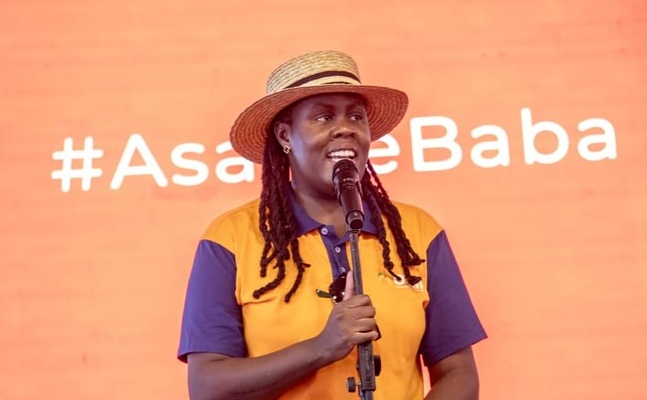
Winnie Odinga’s political future has attracted renewed attention as Kenya moves closer to the 2027 General Election, with the Nairobi senatorial seat emerging as a possible platform for her entry into elective politics. The daughter of the late former Prime Minister Raila Odinga has been under increasing pressure from supporters and political allies to take a more prominent role in the country’s political landscape following her father’s death.
Her possible entry into the Nairobi Senate race would mark a significant development in her political career. Winnie currently serves as a Member of the East African Legislative Assembly (EALA), where she represents Kenya at the regional legislative level. A decision to seek an elective seat in Nairobi would place her directly before Kenyan voters in a contest expected to attract considerable attention as political parties and aspirants prepare for the next general election.
Growing Calls for Winnie to Enter Elective Politics
The possibility of Winnie contesting the Nairobi Senate seat has gained momentum amid discussions involving political veterans, allies and grassroots mobilisers. Some supporters believe Nairobi could offer her a suitable platform to establish her own political identity while remaining connected to the movement associated with her late father.
Nairobi has long played a central role in national politics, attracting politicians from different parties and communities seeking to build support beyond their traditional strongholds. The city’s diverse electorate makes it an important political battleground, particularly during general elections.
Winnie’s involvement in her father’s political activities exposed her to campaign strategy, communications and public engagement. She became known for her participation in political mobilisation and the use of digital platforms to communicate political messages.
Her supporters argue that this experience could help her navigate the demands of elective politics. However, a decision to contest the Senate seat would require her to explain her priorities and demonstrate how she intends to represent the interests of Nairobi residents.
The distinction between calls from supporters and a formal declaration remains important. Her political future has generated public discussion, but the details of any potential campaign, including her party ticket and policy priorities, would need to be clearly established.
Why the Nairobi Senate Seat Matters
The Nairobi senatorial position is one of the elective offices expected to attract considerable political attention ahead of the 2027 General Election. As Kenya’s capital and one of its most populous urban centres, Nairobi has a diverse electorate whose concerns range from employment and housing to transport, public services and the cost of living.
A senator represents the county in the Senate, participates in legislation affecting counties, contributes to decisions on the division of revenue and oversees the use of public resources allocated to county governments. Senators also participate in constitutional processes concerning the removal from office of governors and carry out other responsibilities assigned to the Senate.
For a prospective candidate, the office requires more than national visibility or a recognisable political name. Aspirants must communicate how they intend to represent residents, scrutinise county affairs and participate effectively in national legislation affecting devolved government.
If Winnie decides to enter the race, she would need to present her priorities for Nairobi residents and explain how her experience in the East African Legislative Assembly could inform her work in Kenya’s Parliament.
The city’s electorate includes people from different ethnic, social and economic backgrounds. Candidates must therefore engage with a broad range of concerns rather than rely entirely on support from one community or political network.
For Winnie, a Nairobi Senate bid could provide an opportunity to establish a direct electoral mandate in Kenya. It would also expose her to the demands of constituency-level politics, including party nominations, campaign organisation and accountability to voters.
From Regional Politics to a Possible National Contest
Winnie entered the regional legislative arena after being elected to the East African Legislative Assembly in 2022. Her role at EALA placed her in an institution dealing with cooperation among East African Community member states, including regional trade, integration and shared policy issues.
Her political profile has also expanded through her participation in ODM activities and public discussions about the party’s future. Her involvement in party structures has drawn attention to her growing role in the organisation’s affairs.
Her current regional role and possible ambitions at the national level have raised questions about the next stage of her career. A move to the Senate would represent a shift from regional representation to a position directly elected by residents of Nairobi County.
Such a transition would require her to build a campaign around issues affecting the capital while explaining her broader legislative agenda. Voters would also be entitled to assess her experience, policy proposals and approach to representing their interests.
Winnie has previously spoken about the importance of allowing party members and supporters to participate in decisions about ODM’s political direction. The party’s position on political alliances and whether to support President William Ruto’s re-election or field its own presidential candidate has been a subject of discussion ahead of the next general election.
These issues place her possible Senate ambitions within a wider debate about ODM’s political direction and the role its emerging leaders could play in shaping the party’s future.
Raila Odinga’s Legacy and the Future of ODM
The debate surrounding Winnie’s possible candidacy comes at a significant moment for ODM, the party led for many years by her late father, Raila Odinga.
Raila was a central figure in Kenyan politics for decades, campaigning on issues including constitutional reform, governance and political accountability. His influence extended across different regions, while Nairobi remained an important part of his political mobilisation.
His death created questions about the party’s leadership, its national political alliances and how its supporters would organise ahead of the 2027 elections.
Winnie’s possible entry into elective politics is therefore being discussed alongside wider conversations about the future of the Odinga family’s involvement in public affairs. Supporters who want her to contest the Senate seat may view such a move as an opportunity for her to take on a more direct leadership role.
Nevertheless, political legacy and electoral success are not the same thing. A family name may attract public attention, but candidates must still convince voters that they understand their concerns and can represent them effectively.
ODM will also have to manage its internal processes as different politicians consider their ambitions. Party nominations can become competitive when several aspirants seek the same position, making consultations, internal rules and the selection process important considerations.
A decision by Winnie to contest Nairobi would consequently raise questions about the party ticket, the field of potential competitors and the process through which ODM would select its candidate.
Other Political Ambitions Within the Odinga Family
Winnie’s possible Senate bid is also being discussed against the background of political ambitions involving other members of the Odinga family.
Oburu Oginga has been associated with political leadership in Siaya County, while Ruth Odinga has attracted attention over her political ambitions in Kisumu. Raila Odinga Junior has also featured in discussions about political leadership in Kibra.
These developments have prompted discussion about how the family’s different political interests could intersect with ODM’s plans for the next general election.
However, each potential candidacy involves its own electoral constituency, political calculations and nomination process. The ambitions of one family member do not automatically determine the decisions of another, and each aspirant would need to clarify their intentions and secure the necessary political backing.
For ODM, the challenge will be to balance the interests of established politicians, emerging leaders and grassroots supporters while maintaining an organised approach to the election.
The party’s decisions on nominations and political alliances are likely to shape the opportunities available to aspirants across the country.
Nairobi’s Political Landscape Ahead of 2027
The Nairobi Senate race is expected to attract interest from politicians seeking to represent the county, with party tickets likely to play an important role in the contest.
Candidates will have to address questions affecting residents, including the availability of jobs, the condition of roads, urban planning, housing, access to public services and accountability in county government.
Nairobi’s size and diversity also mean that political campaigns require sustained engagement across neighbourhoods and communities. Aspirants will need to explain how their legislative priorities relate to the daily experiences of residents and how they intend to hold public institutions accountable.
For Winnie, the prospect of running in Nairobi would require a clear explanation of why she wants the seat, what she would prioritise if elected and how she intends to work with other leaders in the Senate.
Her previous involvement in national campaigns and regional politics could provide experience relevant to public leadership. However, voters would ultimately evaluate her candidacy on the basis of her proposals, record and ability to represent their interests.
The contest would also take place within the wider political environment ahead of the 2027 General Election, when parties are expected to negotiate alliances and select candidates for various elective positions.
Winnie’s Political Direction Remains a Key Question
Winnie Odinga’s next political move has become a subject of public interest because of her position within ODM, her work at EALA and her association with Raila Odinga’s political movement.
Her comments on ODM’s future have highlighted the importance of consultation and the views of party supporters. Whether those principles translate into a Nairobi Senate campaign will depend on the decision she makes and the political arrangements that follow.
A formal declaration would be expected to clarify her intentions, including whether she plans to seek the ODM ticket and which issues she would prioritise in a campaign. Details of her campaign agenda and nomination arrangements would provide a clearer picture of her plans.
The commemoration of Raila Odinga’s death has also drawn attention to the future of the political movement he built. Winnie has urged leaders and supporters to remember her father’s contribution while navigating the political discussions surrounding his legacy.
As Kenya approaches the next general election, her decision could become part of the broader discussion about leadership within ODM and the party’s approach to Nairobi politics.
Conclusion
Winnie Odinga’s possible bid for the Nairobi Senate seat has placed her political future in the spotlight as preparations for the 2027 General Election gather pace. Supporters have encouraged her to take a more prominent role, while discussions within the Odinga political network have highlighted Nairobi as a potential electoral base.
Her experience in regional politics and her involvement in ODM give her a public platform from which to consider her next move. However, key questions remain about whether she will formally declare her candidacy, how she will approach the party nomination process and what agenda she would present to Nairobi voters.
The Nairobi Senate race could provide Winnie with an opportunity to transition from regional politics to national elective leadership. Her next steps will determine whether the discussions surrounding her possible candidacy develop into a formal campaign.

You Might Also Like
-
Experts at the ISACA Kenya Chapter’s GRC 360° Africa Conference 2026 in Naivasha have called for stronger human oversight, accountability and governance in artificial intelligence adoption. Internal Auditor-General at the National Treasury, Dr Sammy Kimunguyi, warned that AI is making cyberattack
-
EPRA Director General Edward Mwirigi Kinyua has attributed Kenya's latest fuel price increase to rising international petroleum costs, particularly the pressure associated with the conflict in the Middle East. The figures released during the October review show substantial increases in the landed co
-
Ida Odinga's reassurance at Migwena Cultural and Sports Grounds became one of the major talking points during the first anniversary commemoration of Raila Odinga's death on Thursday, October 15, 2026. After sections of the crowd chanted Oburu Oginga's name and demanded to know where he was, Ida exp
-
The university lecturers' demonstrations in Nairobi CBD on Thursday, October 15, 2026, underscored the growing pressure on the government to resolve the public universities' pay dispute. Lecturers marched from the University of Nairobi grounds, demonstrated along Kenyatta Avenue and presented a peti
-
President William Ruto’s development engagements in Baringo have highlighted the government's focus on roads, electricity connectivity, education and security as part of its broader North Rift development agenda. The Sh22 billion road programme targeting 350 kilometres of roads, the electricity c
-
Ida Odinga on Thursday, October 15, 2026, hosted leaders associated with the Linda Mwananchi movement at Opoda Farm in Bondo, Siaya County, ahead of the first anniversary celebrations of the late former Prime Minister Raila Amolo Odinga at Migwena Cultural and Sports Grounds. The delegation included