



CaribbeanHaiti Turns to Controversial Police Force to Fight Gangs As Kenyan Forces Struggle
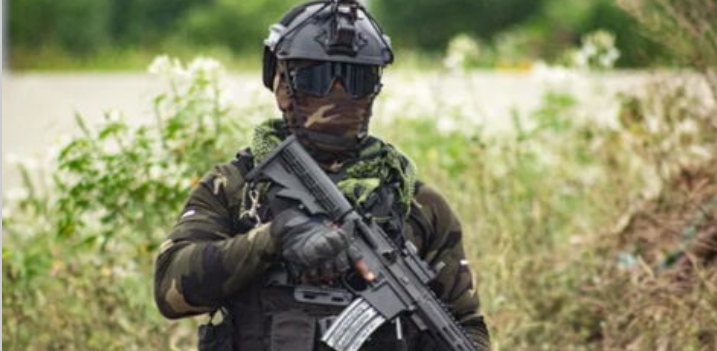
Kenyan police officers in Haiti are reportedly set to get assistance from the Security of Protected Areas Brigade (BSAP), a controversial security force to combat gangs that have run rampant in the Caribbean nation.
The move comes at a time when armed gangs have significantly escalated their attacks on the Kenyan-led Multinational Security Support (MSS) Mission in Haiti, resulting in a number of casualties and injuries among the deployed personnel. Since the beginning of 2025, Kenya has lost a police officer in active combat, and several others have sustained serious injuries as a result of ongoing violence. The first quarter of the year has seen a surge in gang-related aggression, particularly in Haiti’s capital and the Artibonite region, with incidents of violence and destruction becoming increasingly frequent and intense.
In Kenscoff, a region that has been heavily impacted by the unrest, at least 262 individuals are reported to have lost their lives due to the violence. Dozens more have been injured in the chaos, and approximately 200 homes have been destroyed, leading to the displacement of over 3,000 people. The humanitarian crisis in this region underscores the urgent need for coordinated security and relief efforts to restore order and provide support for the displaced population.
Meanwhile, officials from the BSAP (Brigade de Sécurité des Aires Protégées), while expressing support for the CPT’s (Council for the Protection of the Territory) recent decisions, have stated that there remains a lack of clarity regarding how the collaboration between the entities will be structured and executed. “We haven’t received any official circular from the relevant authorities, but we saw the announcement like everyone else on social media,” said Kesny Cherenfant, who serves as the BSAP secretary for Haiti’s Northeast region. He emphasized their commitment to national service, stating, “We are ready and willing to battle for our country because we don’t have a second one.”
BSAP was originally created in 2018 during the presidency of the late Jovenel Moïse, under the leadership of former Environment Minister Pierre Simon Georges. It was meant to function under the National Agency of Protected Areas (ANAP) and primarily tasked with supporting environmental protection efforts throughout the country. However, over the years, the force has transformed significantly, reportedly becoming a poorly regulated and loosely supervised organization. Critics have raised concerns about BSAP’s lack of public accountability, and some allege that the group has become susceptible to political manipulation and unlawful conduct due to the absence of robust oversight.
The deployment of BSAP into the security equation comes at a time when Inspector General of Police Douglas Kanja of Kenya has dismissed reports alleging that the Kenyan officers participating in the MSS Mission are facing operational difficulties that might threaten the overall success of their mission. According to the National Police Service (NPS), these claims—published by a local newspaper, the Daily Nation—are not only inaccurate but also misleading. The report had suggested that the officers were overstretched and struggling to fulfill their duties due to numerous operational challenges such as insufficient funding, logistical difficulties, and the extreme environment they were operating in.
The NPS released a counter-statement rejecting these allegations, stressing that the Kenyan officers were adequately prepared for their deployment to Haiti. They emphasized that the officers had undergone extensive training and were equipped with state-of-the-art tactical gear that adheres to international standards. The statement further reassured the public that the Kenyan police were performing their roles effectively and were not overwhelmed, contrary to the media reports.
These developments come on the heels of several troubling incidents targeting the MSS Mission, including a recent ambush where deployed officers came under attack while carrying out their duties. Such events have raised concerns not only about the safety and well-being of the personnel involved but also about the broader implications for the missions objectives and Haiti’s long-term stability.
As the situation in Haiti continues to deteriorate, the roles of the MSS Mission and groups like BSAP become increasingly critical in efforts to curb the influence of violent gangs, restore security, and pave the way for recovery. However, successful collaboration, clear leadership, and adequate support from both local and international stakeholders will be essential to ensure that these efforts are not only sustainable but also aligned with the needs of the Haitian people.

You Might Also Like
-
Interior Minister Kipchumba Murkomen has criticised journalists for questioning his remarks suggesting that police officers can ask citizens for fuel for their vehicles when they are called to security agencies. Speaking amid public outrage.
-
Senator Karen Nyamu has slammed Isiolo MCAs for pushing an impeachment motion against Governor Abdi Guyo without following legal procedures. She called the move a "dangerous joke" lacking evidence and due process. The Senate was forced to suspend proceedings amid a growing standoff.
-
Interior CS Kipchumba Murkomen questioned Cleophas Malala’s involvement in the National Drama Festivals. He criticized the use of student plays for political messaging, urging that scripts be left to teachers. This followed Butere Girls’ walkout over alleged mistreatment during the event.
-
It is January and every person has a new year resolution they believe will make them better. For the majority, losing weight is usually at the very top to starve off lifestyle diseases and lead a healthier and happier life.
-
The African Unions (AU) regional economic community, the Intergovernmental Authority on Development (IGAD), has denied allegations in a letter that it supported President William Ruto's hosting of the Rapid Support Forces (RSF), a Sudanese rebel group.